Most letters are read within a week of being written. A letter to the future is different. It waits in a drawer, a tin, or a gap behind a skirting board while the world rearranges itself around it, and then one day someone breaks the seal. The difficulty is not the sentiment. It is that paper yellows, ink fades, and the details that make a letter vivid are exactly the ones we forget to write down.
Choosing the reader comes first, because it changes everything else. A letter to yourself at sixty can be blunt and unguarded; a letter to a child opening it on their eighteenth birthday has to carry context they will not have. A note tucked into a house for whoever renovates the kitchen is a different creature again — warmer, stranger, addressed to a stranger.
Once you know who it is for, fix a date. Write the actual date on the envelope: Open on 14 September 2046. Instructions like "open when the time is right" or "when you're older" get mislaid, misread, or opened early out of curiosity. A specific date, tied to an occasion — a milestone birthday, a graduation, a golden wedding anniversary — gives the letter somewhere to land.
The details that vanish fastest are the mundane ones. What a loaf of bread or a cinema ticket cost. The name of the street and what stood at the end of it. Which songs were on repeat that winter. What your job actually involved on a Tuesday morning. What worried you at three in the morning, and which of those worries turned out to be worth the sleep.
Write down the names of people, pets, and places in full. A future reader may know none of them, and nicknames mean nothing without a key. Describe the weather, the view from your window, the argument you had with your brother about nothing at all.
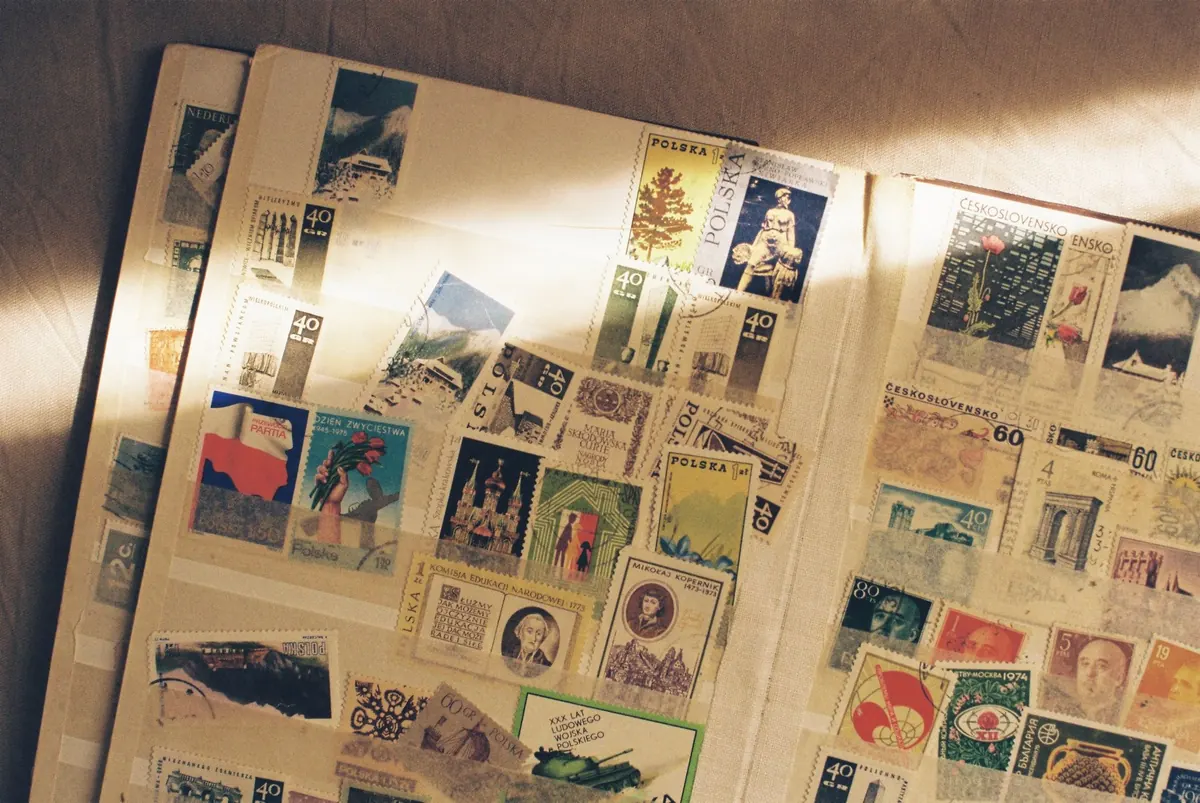
One photograph printed properly beats twenty loose snaps. A bus ticket, a pressed flower, a hand-drawn map of the route you walked to school — these carry texture that prose cannot. Keep everything flat, dry, and clean. Damp botanical specimens will rot and stain the letter beside them.
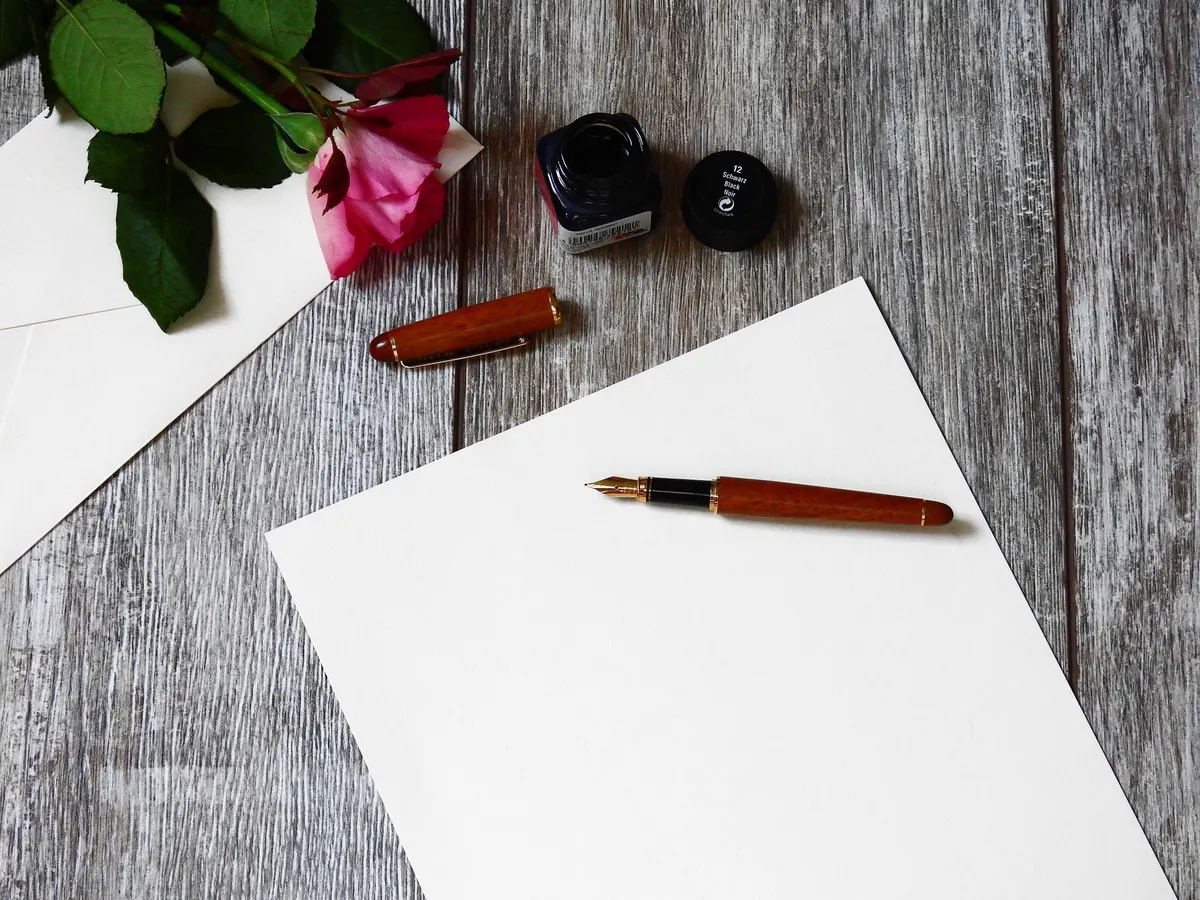
Handwriting survives badly and matters enormously. Your loops, your slant, the places where the pen pressed harder — all of that is evidence of a person, and no font reproduces it.
Consider writing a draft first, not for neatness but for honesty. First drafts tend to be a list of events. Second drafts get closer to what you actually felt. When you write the final version, do it in one sitting if you can, and sign and date it in full, including the year written out.
Cheap paper is the enemy. Newsprint and ordinary copier paper contain lignin and acids that turn pages yellow and brittle within a few decades. Choose materials with a chance of lasting:
Where the letter lives matters as much as what it is made of. Heat, damp, light, and pests do the damage; stable conditions prevent it.
A short note on the outside saves a great deal of confusion: who it is for, when to open it, and what to do if that person cannot be found. If the capsule is going into a house, tell the people you live with, or it will end up in a skip during an energetic clear-out.
One caution worth stating plainly. A letter to the future is not a will and has no legal force. If you want to leave binding instructions about property, money, or the care of dependants, that belongs in a properly drawn-up legal document, and you should take advice from a qualified solicitor or attorney in your jurisdiction.
Write the date on the flap, press it closed, and put it away. Then leave it alone. The temptation to check on it, reread it, or add a postscript is the main reason these letters never reach their destination.
The point of the exercise is not to control the person who opens it. You cannot tell them what to think, and you would probably be wrong about half of what you predicted anyway. The point is to hand them something true and specific: evidence that a particular Tuesday in a particular year looked and felt like this. Seal it, store it well, and trust the wait.
Photo: Pixabay / Pexels