The lamp is lit, the bag hangs out over the rails, and the signal box has already accepted the train. When the express comes through, a net snatches the pouch on the move while a clerk in the carriage doorway throws yesterday's bags down onto the platform. Nobody stops. By breakfast the letters are in Aberdeen, or Chicago, or Madras.
For roughly 130 years that routine was the fastest reliable thing in civilian communication. It left behind mail cranes, sorting carriages, specialised postmarks and a whole vocabulary of railway mail work that is still legible to anyone who knows what to look for.
Before railways, mail moved by foot, horse and coach, and a letter crossing a country paused every night. The train removed the pause. More importantly, it made sorting possible in transit: instead of hauling unopened sacks to a distant depot, a clerk could work the mail while the mail was moving.
Britain's first travelling post office ran on the Grand Junction Railway in 1838, using a carriage fitted with pigeonholes and a clerk to sort letters between Birmingham, Warrington and Liverpool. The idea spread quickly because it paid for itself. American railroads carried mail from the 1830s, and after the Civil War the work was organised into the Railway Mail Service, with named routes and assigned crews. France ran sorting carriages as bureaux ambulants; Canada, India, Australia, Germany and Russia built their own versions. The names differ — travelling post office (TPO), railway post office (RPO), railway mail car — but the principle did not.
Where a train was not scheduled to stop, the exchange happened at speed. A lineside standard held the pouch at the right height; a hinged arm and net on the carriage swept it aboard, while a clerk shoved the outward bags out of a doorway in the same instant. Missing the catch cost a day, so the hardware was built heavy, tested and rehearsed. Drivers were warned by bell signals or fixed boards, and station staff knew the exact moment to hang the bag.
A sorting car was a working office on wheels. Letter cases lined both sides, divided into numbered or named boxes; hampers and bag racks took the bulk; a desk held the handstamps, ink, string and wax. Clerks worked standing, braced against the sway, and were expected to know their distribution scheme by heart — in the United States, proficiency in that scheme was examined and re-examined throughout a career. A clerk's handstamp recorded the route, the car and the date, which is why mail trains left such a clear paper trail.
Key pieces of the system, if you are looking at photographs or museum displays:
The advantage was not raw speed alone. A train was slower than a telegraph and, later, slower than an aircraft. What the mail train offered was a combination nobody else could match: fast movement and simultaneous sorting, overnight, across a dense network that reached small towns.
That combination changed the arithmetic of the post. Mail collected in the evening could be sorted en route and handed over at the far end already divided by delivery walk, so the destination office could go straight out in the morning. Branch line platforms could be served by a passing exchange, giving a village something close to main-line speed. The nightly rhythm became a national habit: post it today, it arrives tomorrow. The GPO's 1936 film Night Mail, with verse by W. H. Auden and a score by Benjamin Britten, caught that rhythm at its peak rather than inventing it.
The decline came in layers. Aeroplanes took the long distances, and by the middle of the twentieth century a flight could beat any overnight train between distant cities. Road transport took the short and medium ones: lorries and mail vans were flexible, cheap and did not need cranes, sidings or platform staff, and the new motorways made overnight runs easy. Mechanised sorting pulled work the other way, into large fixed offices where machines could be fed continuously, which made a swaying sorting carriage look expensive. Railway economics finished the job, with branch line closures, the withdrawal of dedicated mail trains, and parcels shifting to road.
Britain's scheduled travelling post offices ended in 2004, and the last American railway post office cars were retired in 1977. Many countries had already stopped years earlier, quietly, route by route.
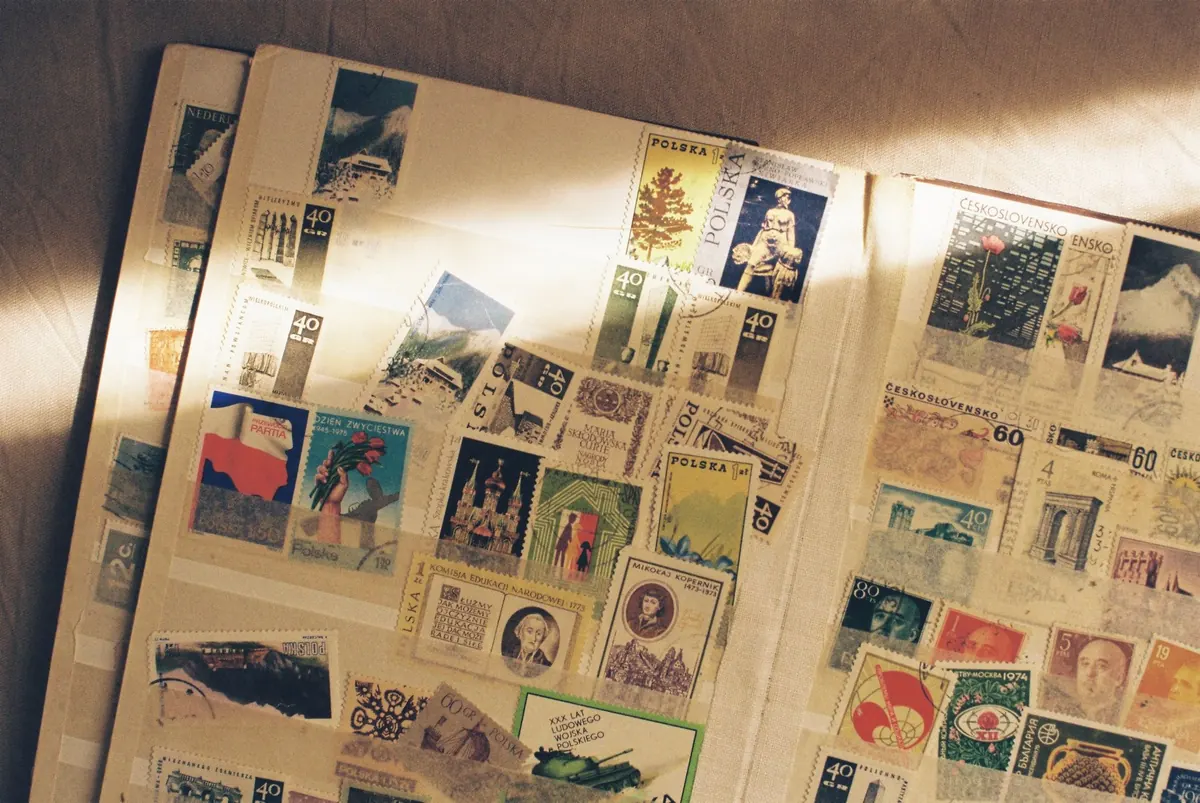
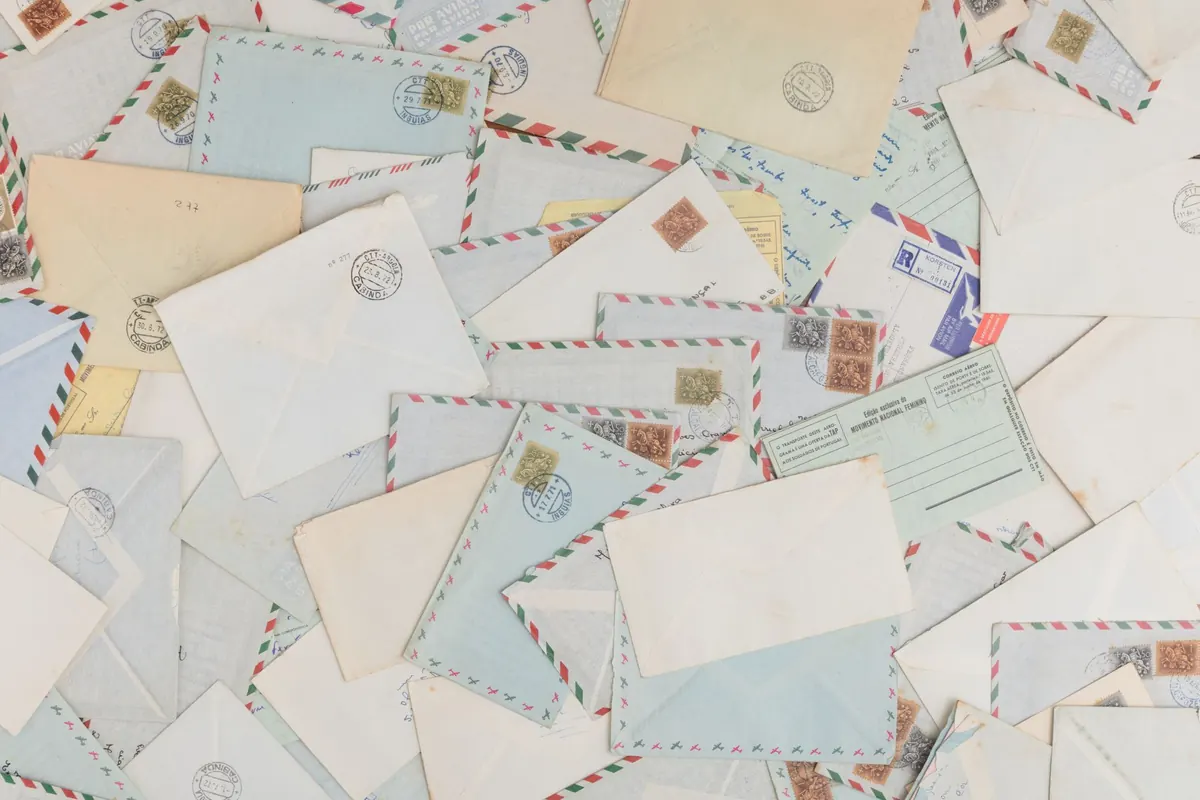
The evidence is scattered but findable. Postmarks are the richest seam: a TPO or RPO cancellation usually carries a route name, sometimes a car or train number, and a date, and covers posted on board a train — often with a note in the sender's hand — are prized by collectors because they document the service in use rather than just its existence.
Hardware survives too. Mail cranes and exchanging apparatus stand at some preserved stations, restored sorting carriages run demonstrations on heritage railways, and the Smithsonian's National Postal Museum in Washington and The Postal Museum in London both hold railway mail material. Local record offices, railway company archives and old working timetables fill in the rest.
If you collect, favour clean, complete strikes with readable dates over rarity claims; a legible route name on an ordinary envelope tells a better story than a damaged rarity. And if you are buying at auction or from a dealer, check condition reports carefully before committing money — the same discipline that applied to the clerks applies to the paperwork they left behind.
Photo: Jackie A / Pexels